
AI Era: From Project Management to Conversation Management

For over two decades, I've navigated the whirlwind of global IT services, building a firm like IndiaNIC from the ground up. I've seen technologies bloom and fade, methodologies evolve, and client expectations skyrocket. And frankly, most of the tools we've relied on to manage our work - particularly in software development - feel like relics from a bygone era. Tools inspired by the Basecamp era, with their task lists, comment threads, and static dashboards, are fundamentally broken for today's AI-driven software development landscape.
We're drowning in a sea of notifications, chasing down decisions buried in endless comment chains, and staring at dashboards that offer an illusion of control rather than genuine insight. This isn't just an inconvenience; it's a significant bottleneck hindering our ability to deliver exceptional value to clients. The sheer volume of information, coupled with the fragmented nature of communication, means critical context is lost, and genuine progress is obscured.
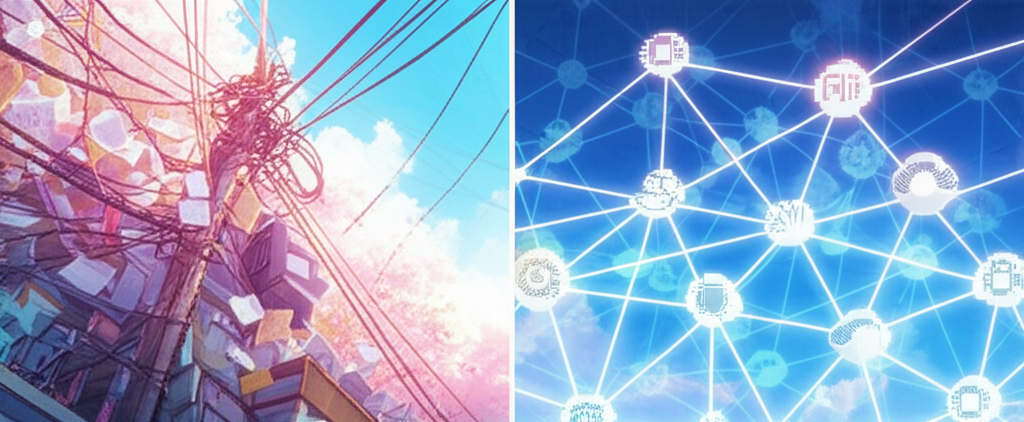
The core issue lies in their static, task-centric design. They were built for a world where software development was more predictable, where tasks were discrete units of work, and communication was a secondary concern. Today, however, our client partnerships are dynamic, requiring continuous, context-aware, and asynchronous communication. We're not just delivering code; we're co-creating solutions, and that demands a fundamentally different approach to managing our interactions.
The Illusion of Control: Why Static Tools Fail Us
Comment-Thread Chaos and Misplaced Focus
Let's be honest, how many times have you scrolled through endless comment threads trying to piece together a decision or an update? It's a chaotic mess, a digital black hole where context evaporates and crucial details get buried. These tools were designed for linear, task-by-task progression, but modern development is iterative, agile, and deeply collaborative. Relying on comment threads for crucial information is like trying to build a skyscraper with a trowel.
Outdated Dashboards: Visibility Without Insight
We're bombarded with dashboards that show us task completion rates, burndown charts, and resource allocation. While these offer a veneer of visibility, they often fail to provide the true insight needed to anticipate problems or identify opportunities. They tell us *what* happened, but rarely *why* or *what's next*. This superficial understanding leaves us reactive rather than proactive, constantly putting out fires instead of strategically steering the ship.
The Paradigm Shift: From Project Management to Conversation Management
It's time to embrace a profound shift: from "project management" to "conversation management." This isn't just a semantic change; it's a fundamental rethinking of how we collaborate and deliver value. In an AI-driven world, the quality, clarity, and context of our communication become the paramount factor, not the static organization of tasks.
Client Partnerships Demand Intelligent Communication
Our clients are no longer passive recipients of our work. They are active partners. This requires an environment where information flows seamlessly, context is always preserved, and decisions are transparently tracked. Asynchronous communication, enabled by intelligent tools, allows team members across different time zones and work schedules to contribute effectively without being tethered to real-time meetings. This enhances productivity and inclusivity.
The Rise of AI-Native Capabilities
This is where Artificial Intelligence truly shines. AI-native capabilities are not just augmenting existing tools; they are organically replacing the need for many of the clunky, manual processes that plagued traditional project management. Imagine AI that can:
- Intelligently summarize lengthy discussions, extracting key decisions and action items.
- Automatically track decisions made across various communication channels, linking them back to their context.
- Proactively identify potential roadblocks or delays based on communication patterns and sentiment analysis.
- Generate outcome-focused reports that highlight impact and value delivered, not just task completion.
These aren't futuristic fantasies; they are emerging realities that are reshaping how we work. Tools leveraging OpenAI's models or Anthropic's Claude are already demonstrating these capabilities.
The true measure of success in the AI era will be the quality of our collective intelligence, cultivated through seamless, context-aware communication, rather than the rigidity of static task management.
Real-World Impact: Lessons from IndiaNIC
Over my 25 years, I've seen firsthand the challenges of managing complex, global projects. There was a time when we relied heavily on spreadsheets and email chains, and the frustration of miscommunication was palpable. One particular instance, early in IndiaNIC's journey, involved a critical project for a major US-based client. We had multiple sub-teams across different cities, and keeping everyone aligned on the evolving requirements felt like herding cats.
We missed a crucial client deadline not because the team wasn't working hard, but because a key decision about a feature change got lost in a long email thread. The client was understandably frustrated, and rebuilding that trust took considerable effort. That experience was a powerful, albeit painful, lesson in the limitations of our existing tools and the paramount importance of clear, traceable communication.
It was this very experience that pushed us to continuously seek better ways to manage our workflows and client interactions. Today, our approach is vastly different, leveraging more integrated and intelligent communication platforms.
The Future of Collaboration: Conversation as the Competitive Edge
The shift to conversation management is more than just adopting new tools; it's about fostering a culture of clear, transparent, and intelligent communication. The platforms that will thrive are those that understand the nuances of human interaction and leverage AI to amplify our collective intelligence.
Key Capabilities of Modern Communication Platforms:
- Context Preservation: AI automatically links related discussions, decisions, and documentation.
- Intelligent Summarization: Quickly grasp the essence of long conversations.
- Automated Action Tracking: Never let a follow-up item slip through the cracks.
- Outcome-Oriented Reporting: Focus on business value and client impact.
- Proactive Assistance: AI anticipates needs and flags potential issues.
The ability to manage and leverage the flow of information effectively will be the ultimate differentiator. Companies that master this will not only deliver projects faster and more efficiently but will also build deeper, more trusted relationships with their clients.
Data Supporting the Shift
The market is already reflecting this shift. Research indicates a growing demand for integrated communication and collaboration tools that leverage AI:
| Feature | Traditional PM Tools | AI-Native Conversation Tools |
|---|---|---|
| Control Mechanism | Task-centric tracking | Context-aware communication flow |
| Visibility | Static dashboards (task status) | Real-time insight into progress and sentiment |
| Decision Making | Buried in comment threads | Automated tracking and summarization |
| Adaptability | Rigid, requires manual updates | Dynamic and self-optimizing |
| Client Engagement | Information silos | Transparent and collaborative partnerships |
According to a 2024 report by Gartner, 70% of organizations are investing in AI to improve operational efficiency and customer engagement, with communication streamlining being a key area of focus.
Conclusion: Embrace the Conversational Future
The days of rigid, task-centric project management tools are numbered. The AI era demands a more fluid, intelligent, and context-aware approach. By shifting our focus from "project management" to "conversation management," we empower our teams, strengthen client partnerships, and ultimately, unlock new levels of innovation and success.
The quality of our communication, amplified by AI, will be our ultimate competitive advantage. Let's stop managing tasks and start mastering conversations. Embrace the future, and ensure your communication strategy is as intelligent as the AI you're building with.




Member discussion